

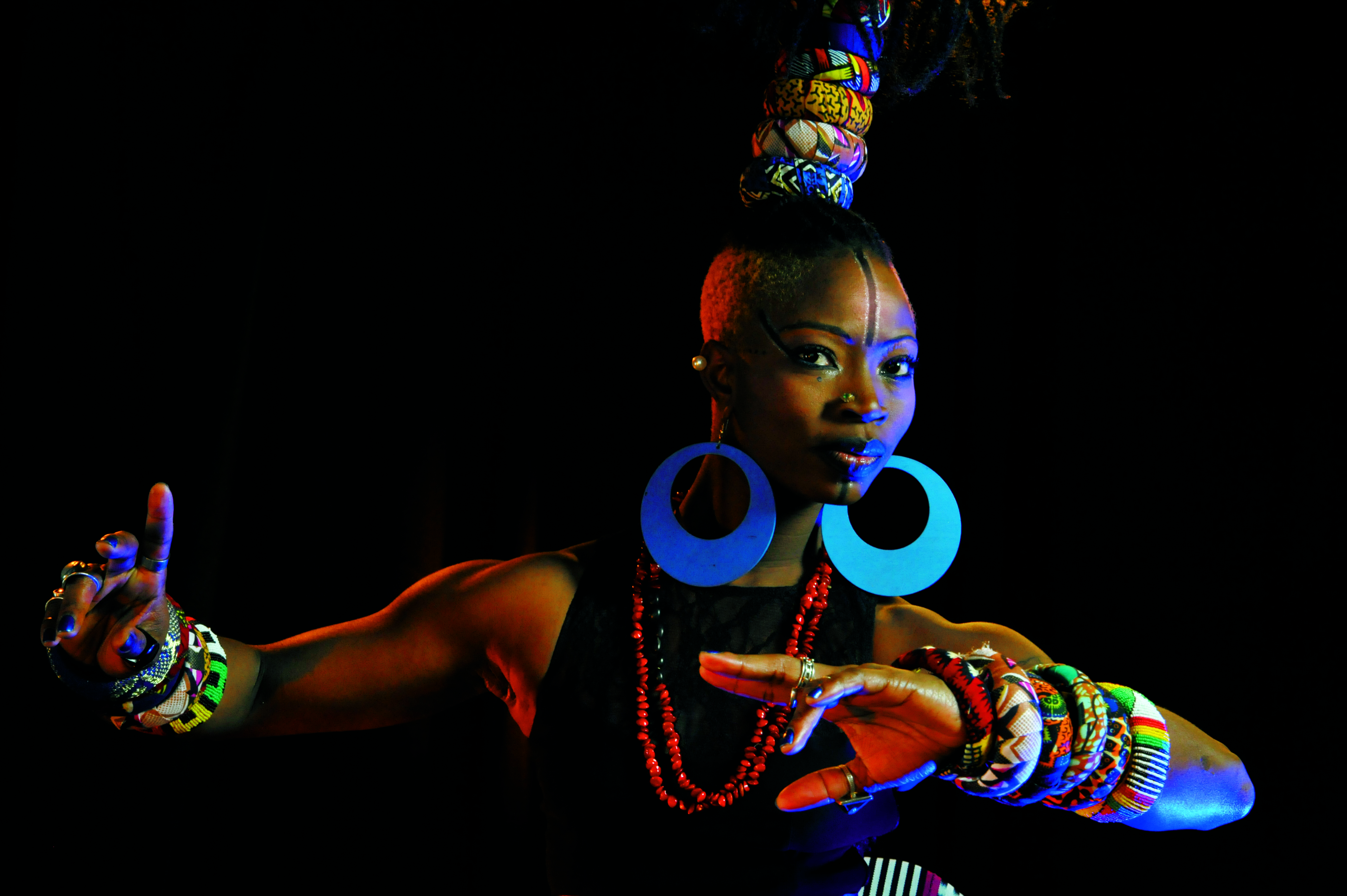
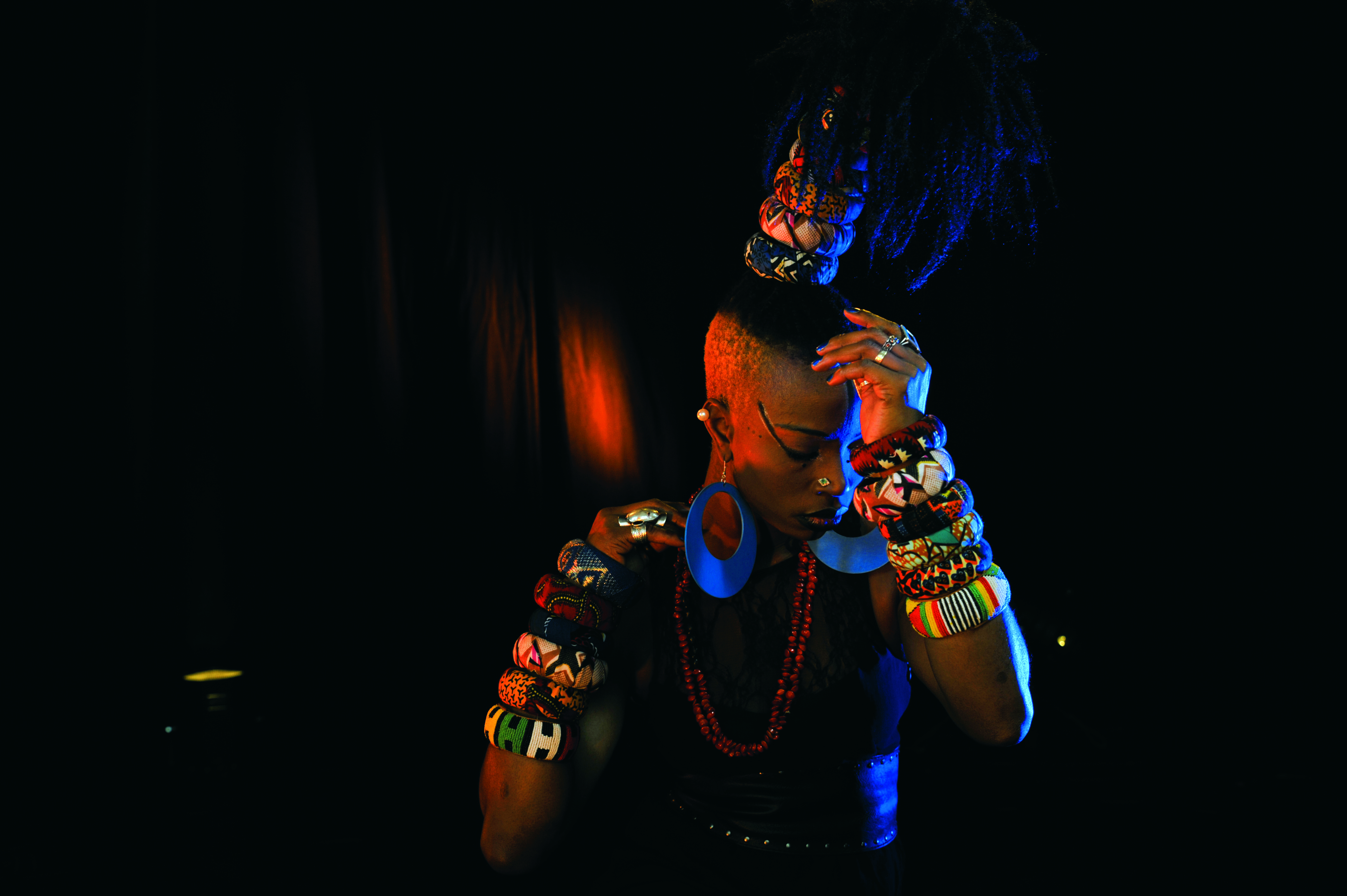
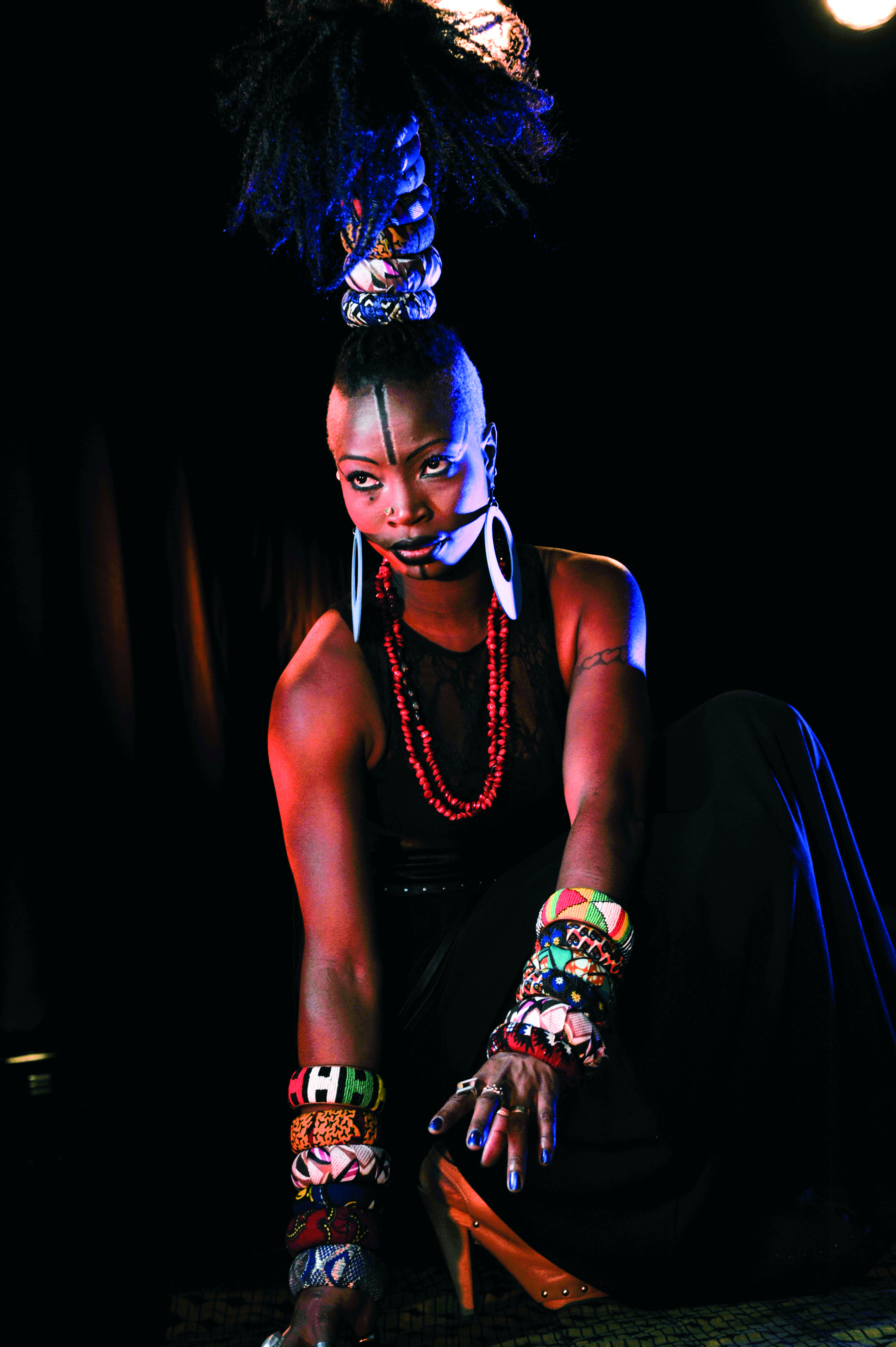
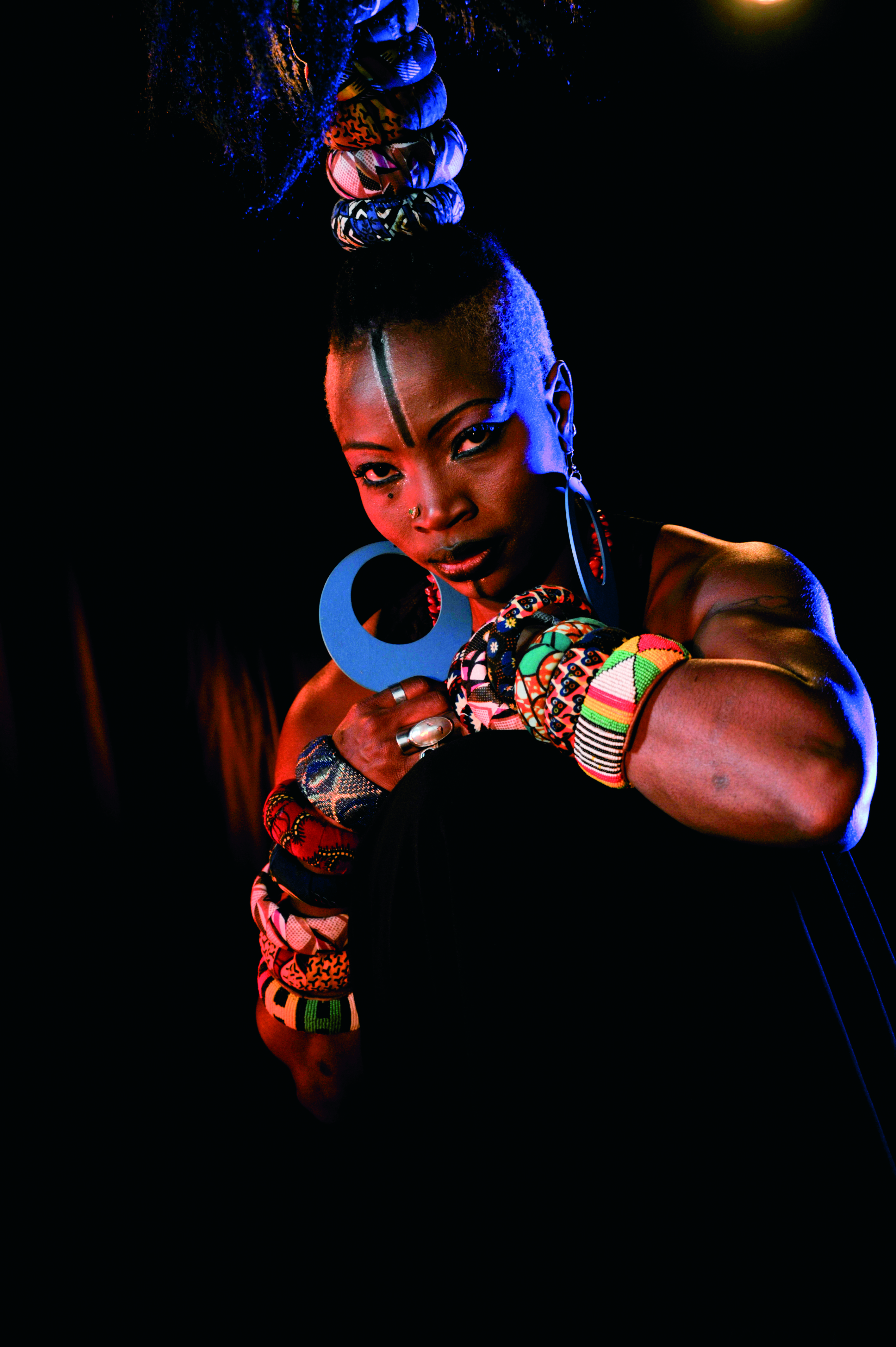





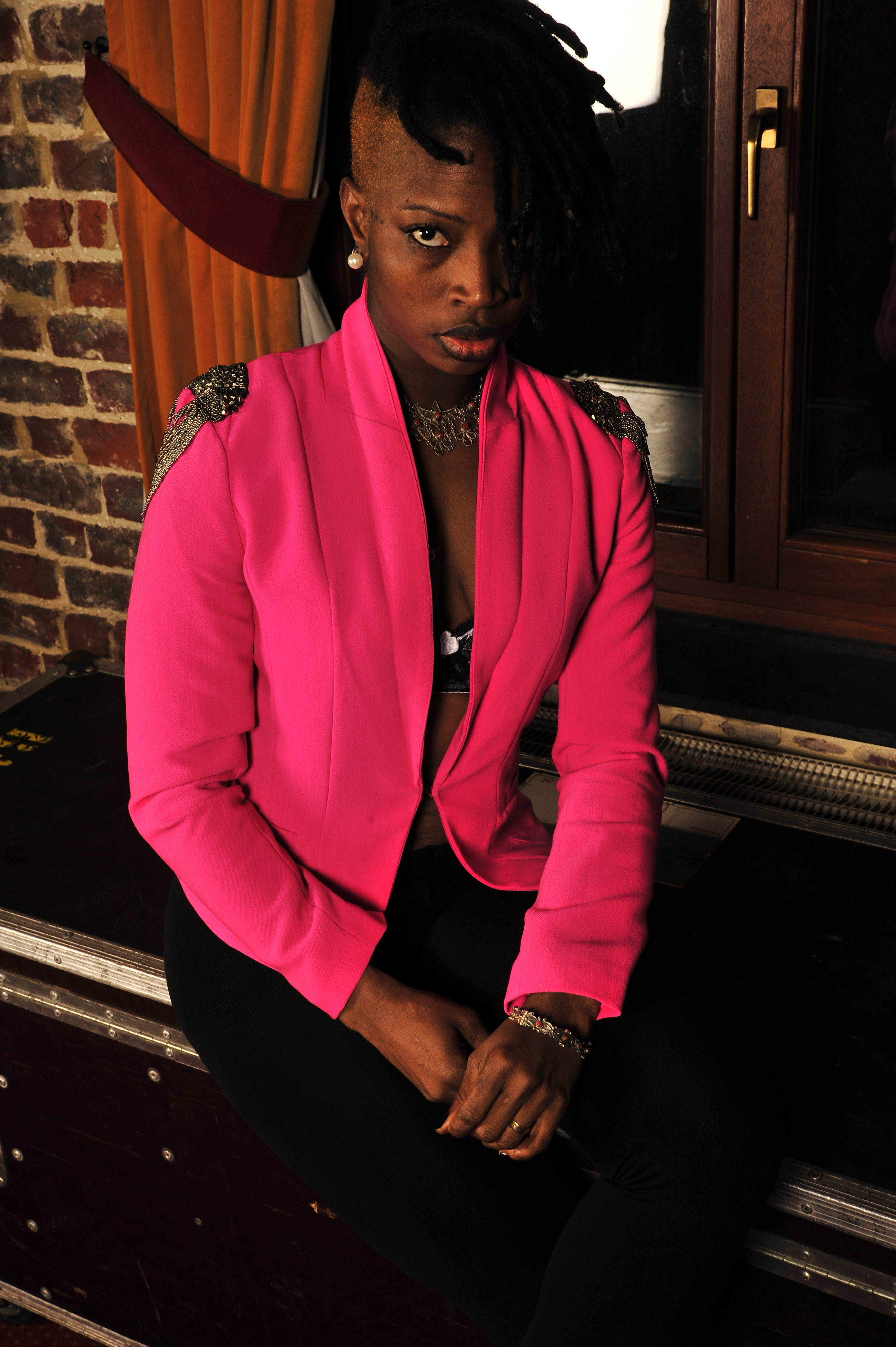
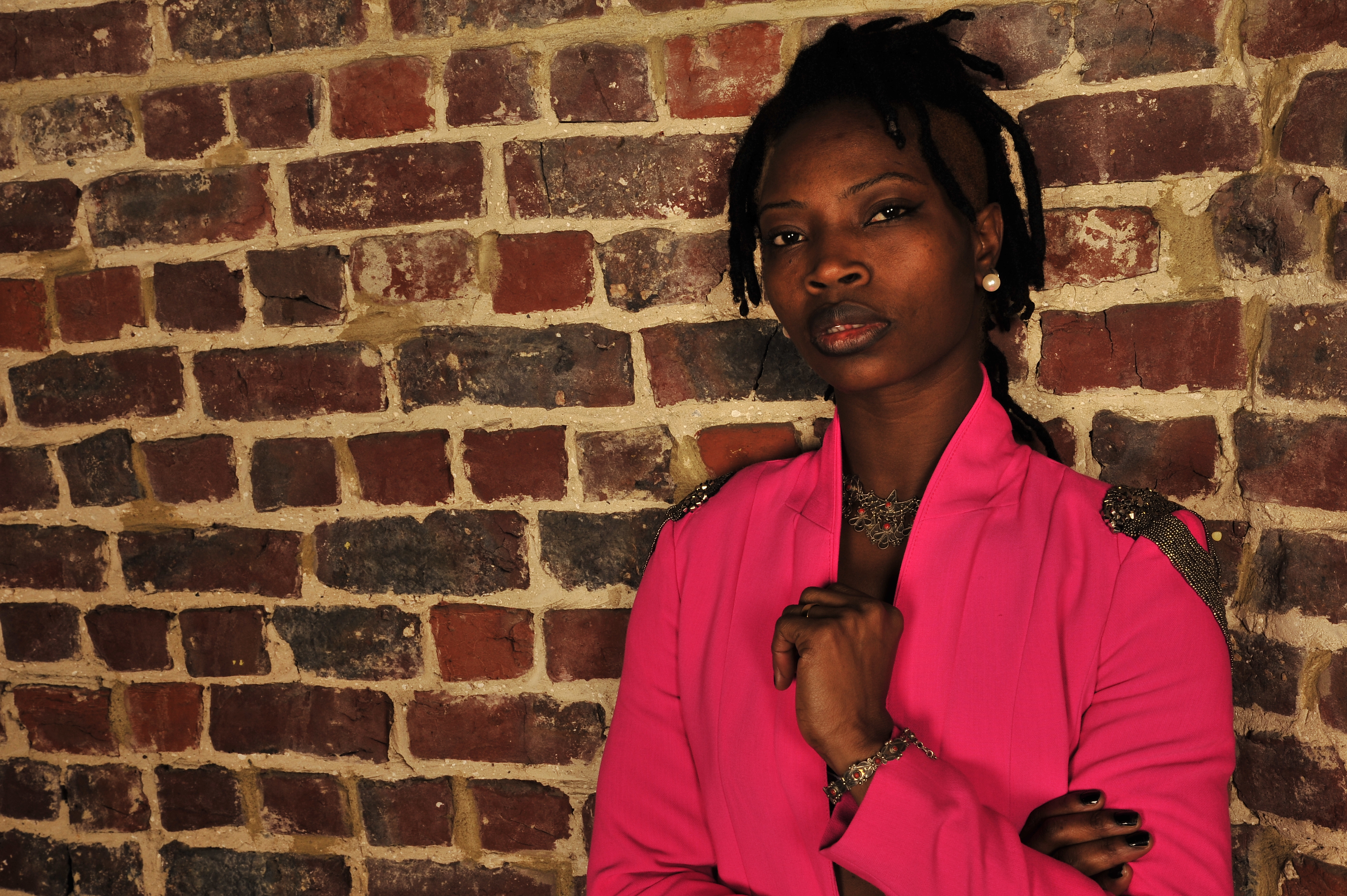

Daughter of the New Africa, Dobet Gnahoré, Weaves Together the Beauty of Two Continents on New Album and on January 2015 US Tour
Concerts in DC/Vienna, NYC, Chicago, St. Paul, Ann Arbor, and Appleton WI
“For me, African music is a multitude of rhythms, languages, and tones,” singer Dobet Gnahoré explains. “What I’m trying to do is promote the richness of diversity Africa has. But I’ve also lived in Europe for 15 years, so of course I’ve heard plenty of other music. There’s joy in connecting them, putting traditional rhythms alongside contemporary Western sounds. But the heart of my music will always be in Africa.”
It’s something Gnahoré understands very well. From an early age, she toured Africa as a singer, dancer, and actor with the renowned Ki-Yi Mbock Company. She absorbed everything she saw and heard. And on her fourth album, Na Drê (Contrejour; release date: January 13, 2015), she pulls all those strands together, with music that draws from all corners of Africa – as well as Europe, where she lives now. On her January tour, she’ll be bringing a profoundly pan-African visual and sonic performance.
Trained from childhood in theater, percussion, singing, and dance as part of the Abidjan-based company, thanks to her father, Boni, a master percussionist, Gnahoré’s music runs deep. Na Drê had along gestation period – four years, “during which I toured with my band and collaborated on various projects that allowed me to gain experience and confidence,” Gnahoré says, and what she’s accumulated in that time blossoms on disc and on the stage.
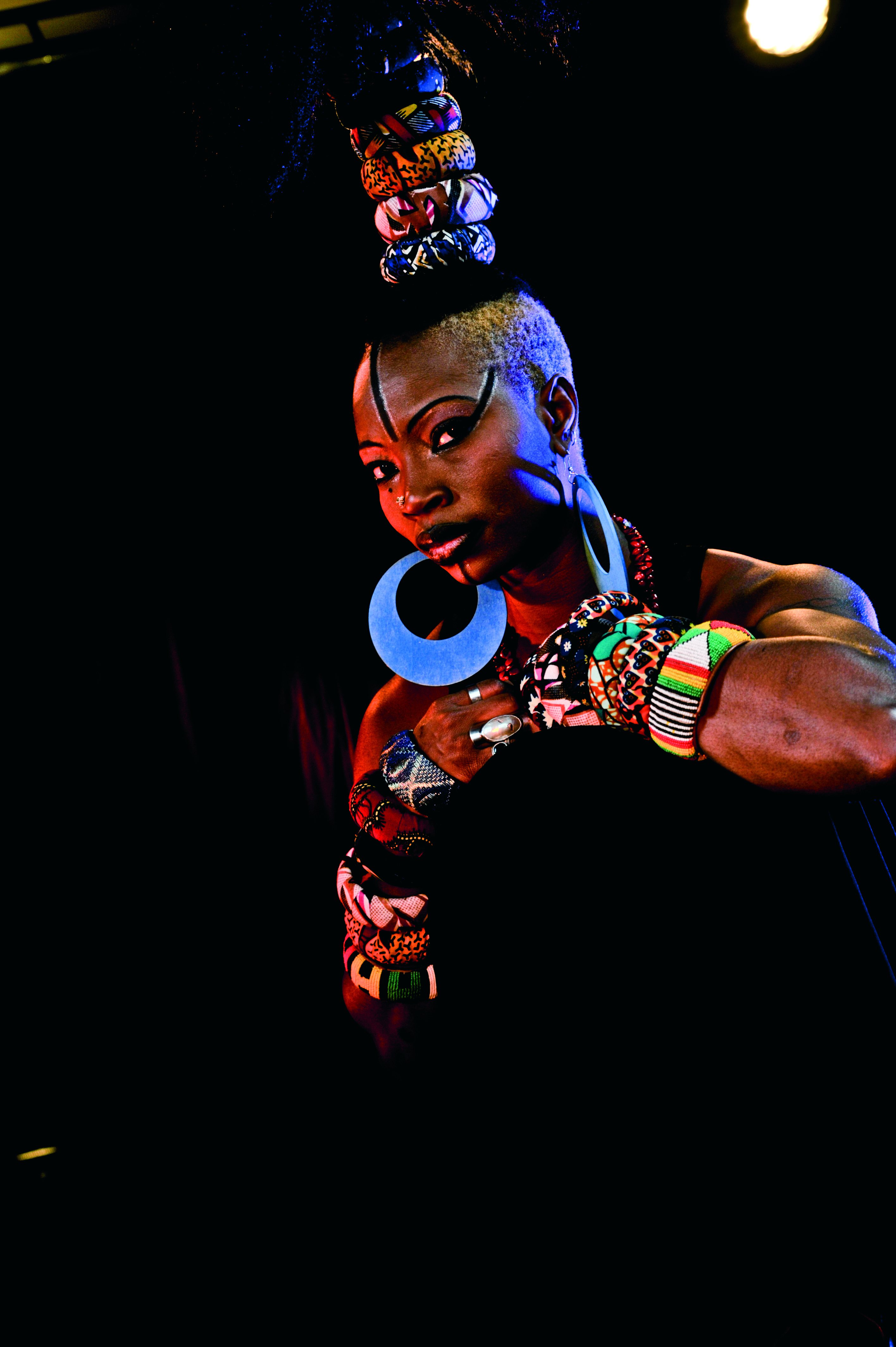
From the moment Gnahoré steps on the stage, she owns it, thanks to her striking style and unflagging intensity. Accompanied by a small band of drums, bass, and guitar, she weaves a spell with movements and voice, while playing congas, mbira (thumb piano), and guitar.
Just as compelling as the performer herself are her songs. And on Na Drê, Gnahoré takes a very feminist stance, writing about the often-difficult situation of woman in Africa.
“In ‘Tania,’ I sing the story of a woman who dies in childbirth further to a lack of care,” Gnahoré says. “This is a situation that happens too often in our villages where there’s no health infrastructure. ‘Fourousiri’ is about forced marriages, and ‘Zina’ is about battered women, which is a global problem.” But there’s also plenty of happiness in her music: “I sing about love as well, on songs like ‘Na Drê,’ because we need a lot of that to overcome the trials in our lives.”
Using seven different African languages, she binds together musical threads from all corners of Africa. Hints of Congolese rumba and the crisp dryness of Kenya benga nestle alongside a melody that could have come straight from Soweto. The mbira suggests Zimbabwe while the rhythm underneath might bear the mark of Ghanaian highlife. And all of it is tempered by Western sensibilities.
Her music is a reflection of Africa’s growing stature on the global stage. It’s as modern and as wired as anywhere else in world. The cities are filled with entrepreneurs, and the cell phone has become a more vital tool there than it is anywhere else, Gnahoré holds up the mirror to Africa as it really is today. She’s part of the new African generation.
“I think the big difference between my generation and the ones that have gone before is the access to new technologies,” Gnahoré reflects. “The Internet allows the young to learn more easily, to have access to the rest of the world – and it brings new sounds that influence music.”
But there’s also one firm difference between Africa and the West, and that’s in how it treats older people, with value and respect. “What they have is experience. I often ask older musicians and performers for advice to help me to stay on the right path.”A long-time veteran of the stage, playing over 750 shows in a dozen years, Gnahoré is completely at home in front of an audience, an utterly charismatic performer. With Na Drê she’s released an album she really feels is “in my image” and on her US tour she’ll be performing seven of the songs from the disc, along with pieces from her older releases; the Grammy-winning “Palea,” of course, will be part of every show. (She won a Grammy for Best Urban/Alternative Performance with American vocalist India.Arie for the song.)
“Work is my engine,” Gnahoré says. “And art is my daily life. And I think that pushing myself always brings results.”